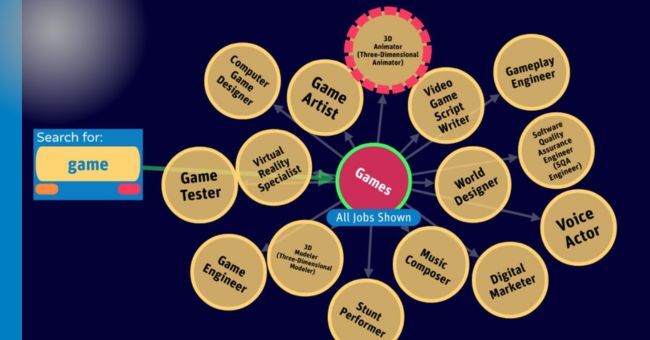
Career education works when it helps students build skills they can use throughout their lives. Effective career education programs focus on developing student agency, broadening aspirations, and creating meaningful connections between today's learning and tomorrow's possibilities.
Let's look at what makes career education effective in schools, including evidence-based approaches, whole-school strategies, and the key elements common to career education programs with lasting benefits for students.
What is career education?
But first, we should define what we mean by career education. It's the process of learning how to create and navigate your lifelong learning and career opportunities.
When we talk about 'career development' you might think of activities like career guidance, counselling, assessment, pathways planning and job-seeking skills. These activities all play a part in it, but career education is a bit different, it focuses on the individual learning how to think about this for themselves.
Learning how to design and navigate a holistic future that suits you, based on knowledge, experience, reflection and self-awareness.
Key Takeaways: What makes career education effective in schools?
- Evidence-based career education is grounded in research. It focuses on building lifelong career management skills through practice, experience and teaching.
- Career education can and should start at an earlier age than traditional careers activities such as career guidance, pathway planning, or career interest testing. Starting earlier in upper primary enables students to learn about themselves and explore the world of work with curiosity before they need to make any decisions.
- Career education for younger students is particularly effective when adults remove the pressure to make a single career decision, focusing instead on developing curiosity and awareness of the wide world of work and helping young people develop self-awareness at the same time. Absolutely no pressure.
- Career education deliberately develops resilience, critical and creative thinking, as students practise opportunity awareness (what could I do?), self-awareness (what do I want to do? why?), confidence and optimism (I could take steps towards that...). These attitudes and skills are in demand in a shifting world, and they also help anyone make complex decisions throughout their life and career. That's more career-ready than making a single choice.
- Because it is holistic, career education is powerful as a whole-school approach when it embeds career learning and skill development across the curriculum and involves all teachers, not just careers advisers, in curiosity-led exploration.
- Schools using evidence-based career education programs report increased student engagement in learning at school, and a jump in optimism and confidence about the future.
- Effective programs develop student agency, helping young people take action on career ideas in order to test or try them out as a hypothesis, before the stakes are high. Reflection can lead to changed priorities and aspirations based on more mature thinking - a great process to learn through repetition as it builds life-long career skills.
- All teachers can support career education without being career specialists, because they are modelling skills they already teach (such as curiosity, exploration, research, experimentation, reflection), not choosing a pathway with a student. The BECOME program supports all teachers with ready-to-use curriculum-aligned lessons that get students questioning and reflecting, the dynamic student app that gets them exploring, a structure that builds agency, and educator data insights throughout, that support cohesive planing and implementation by the education team at a school or system level.
What does it mean for career education to be evidence-based?
Evidence-based career education refers to programs and practices that draw on research from career development theory, education, psychology, and large-scale, reliable studies into student outcomes data, such as the findings of longitudinal studies from the OECD's Career Readiness unit.
 Longitudinal studies trace the same people from school to early adulthood, and can lead to understanding about how young people make career decisions, and where their aspirations may be misaligned to their prospects (e.g. aspiring to a job without planning to do the levels of study it requires). Studies also trace why so many young adults find themselves not in education, employment or training, and look at what kinds of career-related activities are most beneficial during the schooling years.
Evidence-based career education programs are designed based on what has been shown to work, rather than assumptions about what students need.
Open to exploration
An evidence-based approach starts with understanding how young people make decisions about their futures. Research shows that students benefit from repeated opportunities to explore and visualise multiple possible career futures for themselves over time, rather than being asked to choose a single path (especially under pressure).
Measuring impact
Career education programs grounded in evidence measure their impact, tracking changes in metrics that indicate career readiness, such as articulation of aspirations, career ambition, whether the career idea they express are their own or not, their instrumental motivations towards school (because it is relevant to a future they want), and their inclination to take action for themselves on their career aspirations.
The Gatsby Benchmarks, developed in the UK and other frameworks around the world, outline the minimum activities and initiatives for effective career education. These include elements like a stable careers programs, learning from career and labour market information, and encounters with employers and employees.
How does a whole-school approach to career education support students?
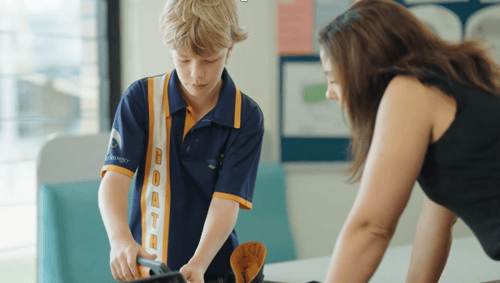 A whole-school approach means career education isn't confined to a single class or to the careers adviser's office.
Instead, careers and the future become a part of the school culture, woven into different subjects and supported by all staff members. This helps students see how their learning connects to real-world opportunities, such as how data literacy is crucial to careers in informatics, geography, media, trend analysis, and the sciences.
This widens their view of what people do in the world while supporting them to see that learning now matters to their future, later. As a result many students report feeling their school learning is more relevant than before.
Many states and territories in Australia have a career education framework that supports this kind of integration. In New South Wales for example there's a K-12 Career Learning Framework that helps senior leaders, curriculum coordinators, and classroom teachers plan career learning experiences appropriate to each stage of schooling.
Why is curriculum alignment important for effective career education programs?
When careers programs align with curriculum requirements, teachers can address learning outcomes while helping students explore their futures. Curriculum-aligned careers education fits into existing teaching plans rather than competing for limited time.
BECOME Education offers ready to teach lessons for Years 5-10 that integrate with the curriculum. They're arranged into a customisable scope and sequence for each year level. These lessons make it easier for teachers across different learning areas to deliver meaningful career education without needing specialist expertise. The lessons are different depending on the age of students, which also allows teaching teams to adjust plans based on their knowledge of a cohort.
Curriculum alignment also means students experience career learning as part of their regular schooling, not as an add-on. This reinforces the understanding that thinking about the future is a normal part of learning, and an important piece of the school culture.
What role does student agency play in a well-designed career education program?
Evidence shows that effective career education develops student agency.
 Student agency in the context of career education means young people take charge of their own career exploration, developing their own personal aspirations rather than being told what career to pursue.
Students learn how to actively explore, reflect, and make informed decisions for themselves.
How to build agency about the future
Programs that build agency help students by scaffolding the skills they will need throughout life. This includes fostering personal and group aspirations, providing the tools to explore career ideas beyond typical or popular careers, and the support and encouragement to articulate emerging ideas and shape multiple possible visions for the future to see what they feel like. Would this be the kind of person I want to be? (How do I know?)
Test ideas, and change ideas
Great career education programs encourage students to test ideas rather than commit to a single path too early, and they create safe space for reflection and revision or further exploration. BECOME Education focuses on helping students develop this kind of agency, giving them tools to explore widely and think deeply about their futures. Many students change their first career idea after looking into it more deeply, which shows their thinking is maturing and, if they can articulate why, they are developing critical thinking about careers and their future life.
When students feel ownership over their career exploration, they're more engaged in learning. They can see why today's subjects matter and feel more optimistic about what's ahead. They're given the go-ahead to take charge of what their life looks like.
How can schools measure the effectiveness of career education?
Effective career education programs include ways to measure impact. This might involve tracking changes in the breadth of student aspirations over a class or cohort, their capacity to articulate an idea, and their attitudes towards the future and their capacity for action about their future. Data helps schools understand what's working and where to focus their efforts.
Data insights
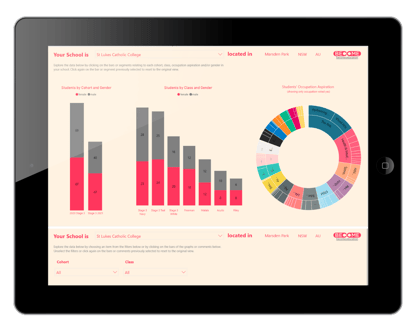 BECOME Education captures student aspirations before and after the program, giving schools insights into their cohort's career thinking. This data can also cover year level, school and system level findings. This data and the related analysis prepared by BECOME supports schools in many ways, such as for example careers leaders planning truly effective school-wide initiatives and career advisors in having more informed conversations with students, and in planning events.
Measurement also helps schools demonstrate the value of any career education program to the broader school context, including parents and community, partners and alumni.
What should schools look for when evaluating career education programs?
When evaluating career education programs, schools should consider whether the program is grounded in research, aligns with curriculum requirements, and supports a whole-school approach.
They should look for programs that build student agency and that include data insights because they are more likely to create lasting impact than programs or tools that promise to 'find the perfect career match.' Having the chance to design your future is not something to outsource to a questionnaire or AI tool, it's a longer process of self-discovery as well as information-gathering and critical thinking.
Schools should also look for professional learning opportunities and supporting resources in a program, designed to help teachers deliver the program confidently. When educators understand the theory and practice behind effective career education, they can have more meaningful conversations with students.
Flexibility is another consideration. Programs that adapt to each school's context and can be integrated with existing plans are easier to implement and sustain over time.
How does career education benefit students in the primary and middle years of school?
Starting career education early, in primary and the middle school years, gives students more time to explore widely and develop career management skills, which can be complex.
 Early exposure helps young people broaden their ideas about the wide range of opportunities open to them in the world of work, the places people work, and what makes a full life.
No decisions yet!
Teachers can encourage curiosity about what people do in the world. Programs like BECOME help challenge assumptions such as stereotypes and bias or limited thinking about what success looks like or who does what in the world.
BECOME's primary program for Years 5-6 addresses this critical period when young people's ideas about identity and where they fit in the world begin to take shape.
Multiple ideas before high school
Research supports the idea that career exploration should begin before high school.
When students have had multiple opportunities to think about and shape several potential visions for possible futures that interest them and have had time to refine their thinking and explore emerging interests and motivations they can make more informed decisions when the time comes.
When they get to subject selection and pathway decisions later in high school, they have more confidence and more ideas, and are able to think flexibly about planning, taking into account uncertain or unknown factors.
What is the connection between career education and student wellbeing?
There's a strong link between career education and student wellbeing.
When students can see that what they are learning at school today relates to a future that interests them, they're more engaged in learning and more resilient about challenges, such as difficult subjects.
BECOME's training for teachers explores the links between today and the future, and how thinking about the future can be designed in such a way that it lifts students' hope, optimism, engagement and motivation today.
Building effective career education in your school
To conclude! Effective career education is evidence-based, curriculum-aligned, and embedded across the whole school. It builds student agency, connects learning today to future possibilities, and includes ways to measure impact.
When schools invest in quality career education, student engagement, optimism and confidence rise.
For school leaders and career educators looking to strengthen their programs, the key is finding approaches that fit your context while maintaining the core elements that research shows make a difference. BECOME Education supports schools across Australia with practical, research-backed career education that teachers and students value.
FAQs - What makes career education effective in schools?
What is evidence-based career education?
Evidence-based career education draws on research and data, including career development theory, education and psychology. Programs grounded in evidence measure their impact on student outcomes. They use what evidence shows works.
Why is a whole-school approach important for career education?
A whole-school approach embeds career learning across subjects and involves all teachers. This helps students see connections between their learning and future opportunities. BECOME Education supports this approach with curriculum-aligned lessons and teacher training, explicitly calling on links to key school and system strategies that maintain career education as a holistic focus on the whole student, and design of their broad future.
How early should careers education start?
 Career education programs can begin with age-appropriate activities in primary school designed to give students time to explore widely and visualise the world world of work with curiosity and a sense of fun, long before decisions need to be made.
Early exposure broadens aspirations and helps students build skills they will need later, when pathways decisions do need to be made. Younger students should not be pressed to make career decisions or 'pick a job' but they should be supported to challenge stereotypical thinking about where they might fit in the world.
What role do teachers play in careers education?
All teachers influence how students see themselves and their futures. With the right training and resources, teachers across different subject areas can support career learning. BECOME Education offers professional development that builds teacher confidence in leading career conversations.
How can schools measure the impact of career education?
Schools can measure impact if they are tracking changes in the breadth and variety across a year or cohort's aspirations, confidence and engagement, and other factors indicating agency and career critical thinking. BECOME Education captures student data before and after the program, giving schools insights to inform planning and demonstrate value.
 Liv Pennie

 Bev Laing : Jul 23, 2026, 10:05:12 AM